

Techniques for preparing surfaces across different industries
Techniques for preparing surfaces across different industries
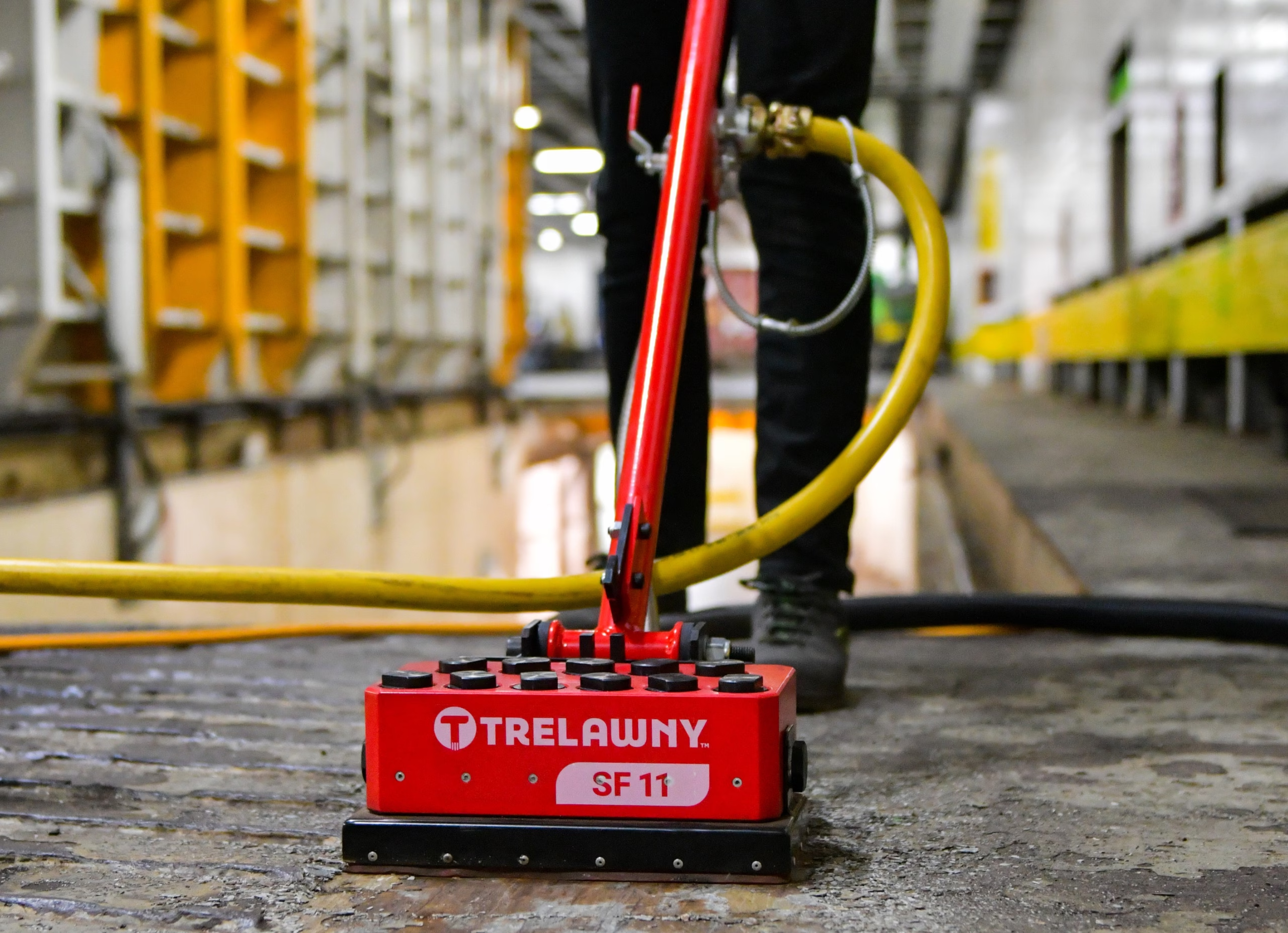
Preparing a surface for construction work or maintenance is an essential part of any successful project. Proper surface preparation ensures that the area is suitable for new materials being laid or coatings being applied and can even make the project easier to manage. In this blog, we’ll explore effective surface preparation techniques and the tools that help to get the job done.
How to prepare surfaces in the construction industry
Preparing the surface before applying any replacement materials is essential to the project’s success. This includes preparing the ground for foundation work, as well as prepping floors, walls and ceilings for painting or further construction. Failing to prepare the surface properly can result in subpar work, or even damage to the materials being laid.
Additional applications include preparing pre-cast concrete slabs and panels in readiness for assembly and texturising dry concrete in between concrete pours during bridge, roadway, platforms or infrastructure projects.
How to prepare surfaces in the automotive industry
In the automotive industry, surface preparation is crucial for paint and bodywork. If the surface isn’t properly prepared, the application of new coating or paint will suffer. Essentially, pre-weld surface preparation and post-weld cleanse is a critical part of the integrity of automotive applications. This can be anything from dirt and debris on the surface to oxidation and rust. To get a perfect paint finish, the surface must be meticulously prepped.
How to prepare surfaces in the marine industry
Surface preparation is just as important in the marine industry as it is in any other. In fact, it might even be more important given the harsher environments that marine vessels operate in. Without proper surface preparation, marine vessels would be susceptible to corrosion, fouling, premature ageing, environmental fines or significant repair costs if unmanaged.
To protect marine vessels from these dangers, shipyards and boatyards regularly rely on surface preparation solutions. This typically involves sandblasting or using high-pressure water jets to clean the vessel’s hull whilst a vessel is decommissioned in a dry dock. However, it is extremely expensive (whilst effective) to decommission a vessel to undertake this task.
During service at sea, it is essential to deploy continuous management of onboard corrosion or specifically when the vessel ownership or cargo may change.
Vessels must be maintained to a high standard of preparation to be allowed to enter international posts due to the risk of the negative environmental impact of a poorly maintained vessel in local waters. Surface preparation is, therefore, critical to achieving these operational standards.
How to prepare surfaces in the oil and gas industry
Oil and gas refineries are some of the most unforgiving environments for equipment. The extreme temperatures, caustic chemicals and high pressures take their toll on even the most well-built machinery. To keep equipment running smoothly and efficiently, regular surface preparation is essential.
Surface preparation involves removing all the dirt, grime, protective coatings, rust and corrosion that has built up on the surface of the equipment. This can be done through various methods, including media or water blasting/jetting, power washing and chemical cleaning. By regularly cleaning and preparing the equipment, operators can extend its lifespan and keep it running at peak efficiency.
Due to the high risk of explosion in these environments, standards such as ATEX are required on all tools and equipment used on board vessels or platforms, which certifies a product as no-spark, that is, it’s not likely to ignite a fire or cause an explosion.
Contact us
If you’d like advice on finding the best tools for the project, contact us, we’re here to help.
