

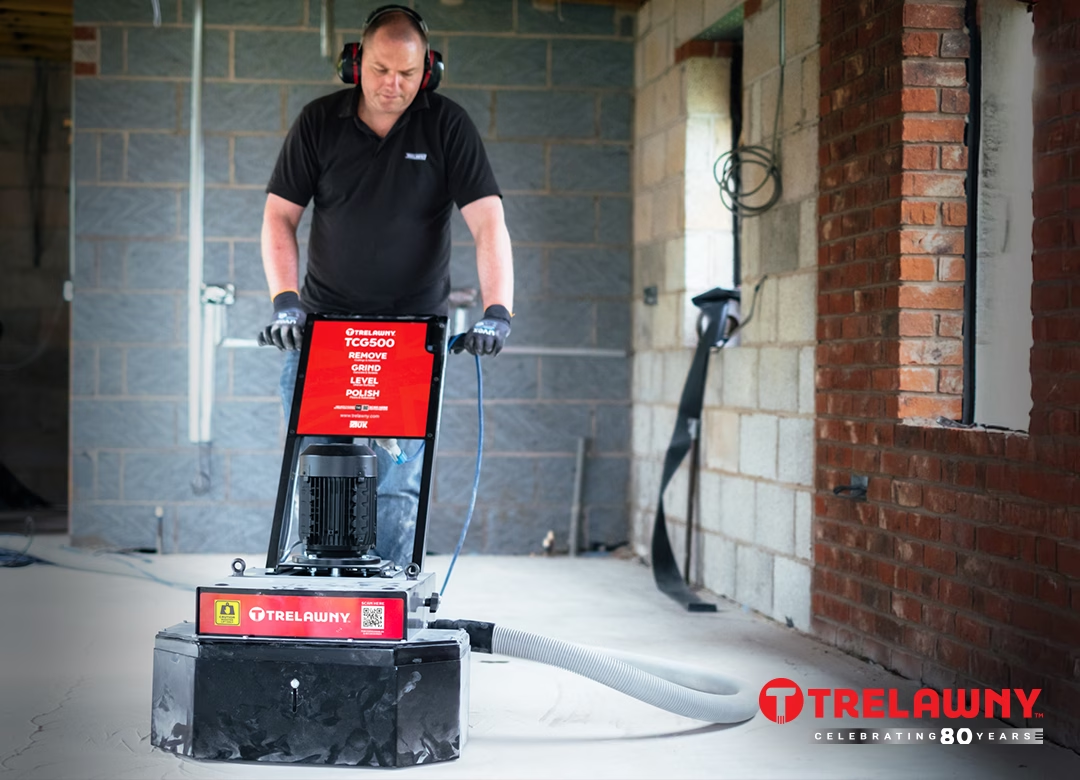
A guide to preventing electrical machine issues on site
It’s tempting to run an extra extension cable or cut a little deeper to get the job finished sooner but many of the electrical issues customers face with electrical equipment start with small, avoidable mistakes. This often ends up with a machine out of action, unfinished jobs and an unhappy customer.
However, with a few simple checks, most of these issues can be prevented before they happen. Read through our guide and follow all the essential steps to keep your job running as excepted.
Practical steps to protect your machines and schedule
Reliable performance starts with the right setup, follow our essential guidelines for the best results.
1) Specify the correct power supply
Always check the motor rating plate on your model and ensure you have a suitable power supply.
If using a generator, ensure it can produce enough power for all the equipment you are using concurrently, i.e. a grinder and dust collector used together.
Our machines typically use capacitor type motors, and the starting current can be 3 times the running requirement.
2) Use the correct cable grade and length
Using the correct cable size and staying within the recommended lengths prevents voltage drop and motor strain.
110v
- 4.0mm Core cable – 20m max length
230v
- 4.0mm Core cable – 40m max length
400v
- 4.0mm Core Cable – 40m max length
Always ensure that cables are fully unwound before use.
If extension cables are required, Trelawny recommends the following:
20 m, 110 V, 32 A power cable with sockets (Part No. 669.3121)
20 m, 230 V, 16 A power cable with sockets (Part No. 669.3122)
20 m, 400 V, 16 A power cable with sockets (Part No. 669.3124)
3) Avoid overloading motors
The voltmeter provides real-time visibility of the incoming power supply, helping operators confirm correct voltage before start-up and identify voltage drop from long cable runs. This supports reliable performance and helps protect the motor, but operators must also avoid overloading by using the correct machine, tooling, and consumables, and by not operating the equipment more aggressively than intended.
Actual supply voltage may vary by region. Trelawny recommends the following acceptable voltage ranges for its equipment:
- 110 V: Minimum 99 V – Maximum 121 V
- 230 V: Minimum 207 V – Maximum 253 V
- 400 V: Minimum 357 V – Maximum 440 V
Note: These values are approximate. If the voltage displayed is significantly above or below the stated range, switch off the machine immediately and check the power supply before operation.
4) Avoid repeated start-stop cycles
Repeatedly switching the motor on and off causes rapid heat built-up and places unnecessary load on the start capacitors. This is one of the most common causes of early motor capacitor failure. Whenever possible, allow the machine to run consistently during use and avoid unnecessary cycling, especially under load.
5) Carry out basic maintenance
Regular maintenance helps ensure safe and efficient operation and prevent overheating. Lubricate moving parts according to the manual, replace worn or damaged components promptly and clear material build-up from around cutter heads, guards and housings. It’s especially important to keep electrical elements clean and dust-free so they can cool properly when in use.
Maintenance should only be carried out by a competent, qualified person.
Follow these tips and you will avoid costly stoppages and unnecessary repair costs and don’t forget to specify your extension cable when ordering your new machine to ensure the correct specification.
More about Trelawny
For 80 years we’ve engineered high-performance surface preparation solutions built to withstand demanding site conditions. Our commitment to quality and operator safety continues to be at the forefront of everything we do.
To find the right surface preparation tools and to get the most out of your consumables, speak to your Trelawny representative today.
